From antique wall torches, medieval lanterns and classic chandeliers to the numerous design styles of the 20th century and the present day, which is characterised by innovative LED light fittings: lighting design encompasses a wealth of different styles. When choosing new lighting, it is advantageous to be able to classify the various products stylistically. To help you keep an overview, we explain the most important trends and terms.
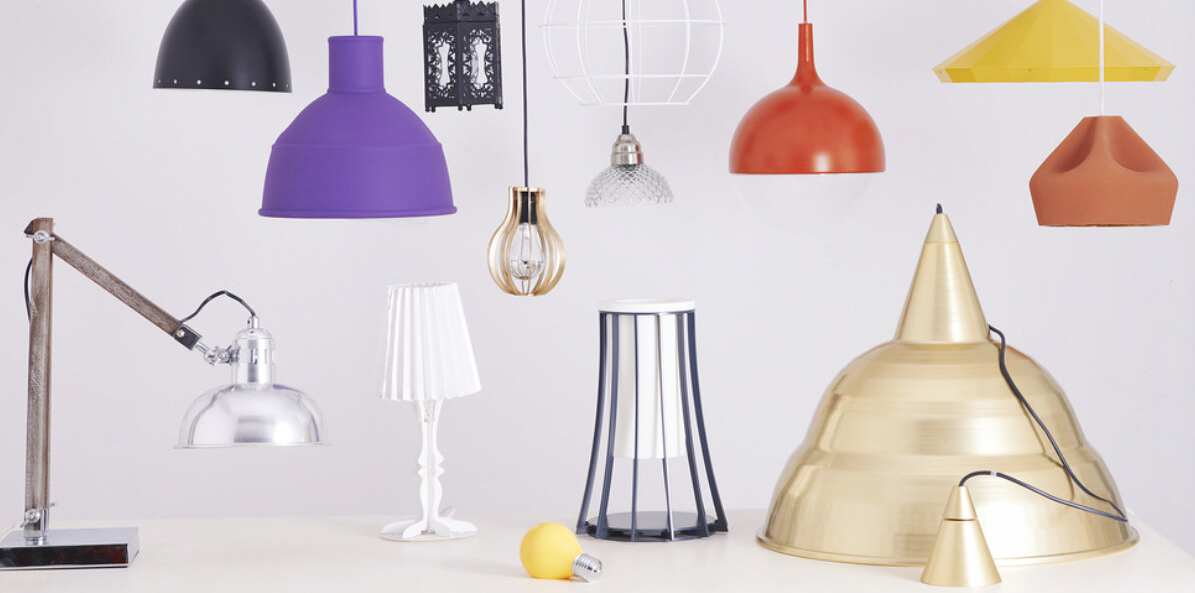
Due to the immense variety of lamp types, light fitting types and design styles, there are many lights that cannot be assigned to a single trend. After the golden decades of design in the early and middle 20th century, when a systematic preoccupation with the 'science of design' first emerged in the course of modern industrial production, there are more and more successful designs that combine different styles. All the more so since the compact LED lamps virtually no longer set any limits for designers.
Lamp Design until Electrification
When does modernity begin? There are many opinions on this, but it is undisputed that electrification is an indisputable milestone. Traditionally, light sources were torches with an open fire, candles or oil lamps surrounded by a windbreak. In any case, the classics include candlesticks for the wall and opulent chandeliers. Outdoor wall lamps and street lamps were usually oil or gas lamps protected by an ornate metal body with transparent or stylised glass panes.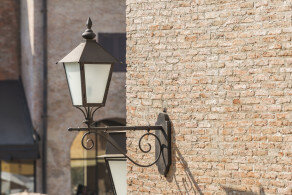
Lighting Design: Country House Style and Other Traditions
Even today, many wall lights and garden lanterns recall the origins of night-time lighting. From the early days of lamp design comes the so-called country house style, which is characterised by floral motifs, cast-iron constructions and whitewashed glass. The name country house style is a reminder that wealthy aristocrats and townspeople from all over Europe used to relax in cosy country houses where they preferred comfortable lighting. In prestigious buildings such as castles, palaces and large town houses, the lighting was often designed to create an impressive sea of lights. Thus, the super-rich of the time tried to outdo each other with the opulence of their chandeliers adorned with crystal hangings, which are thus among the first designer pendant lights.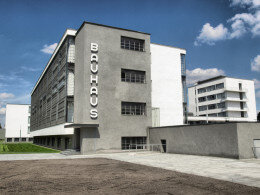
Chandelier Design in the Early Modern Period
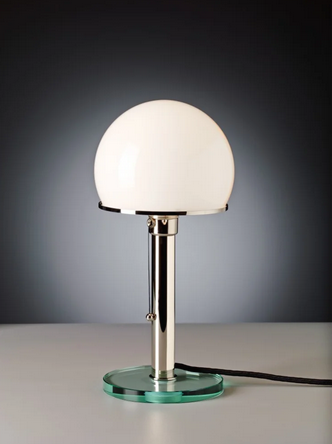
The 1920s saw the emergence of the Bauhaus movement in Germany, which sought to reflect the new zeitgeist of the mechanised world through completely new architecture and product design. Old styles such as baroque and classicism were radically questioned in order to emphasise the importance of technology. The motto of the Bauhaus movement is 'form follows function', which meant that functionality became the decisive element of design. Straight lines, expansive surfaces and ease of use came into focus, rather than striving for ultimate beauty with ornate embellishments etc.